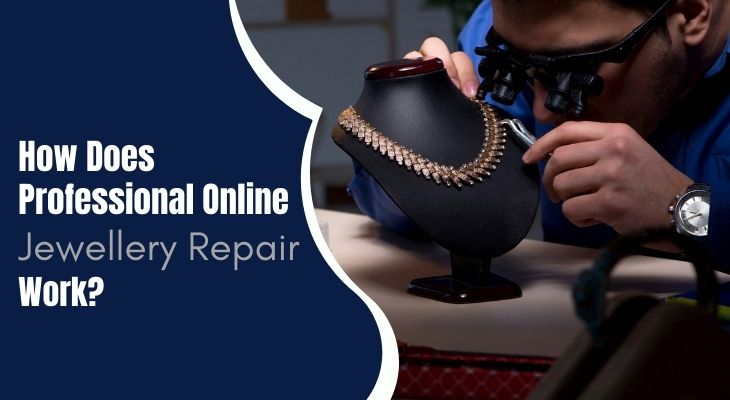
What can be worse than your precious jewellery getting damaged? Fortunately, you can get the jewellery repair done so that it looks new as it was before. Earlier, there was the only option of going to a jewellery repair store to get the pieces fixed. It might sound good and a great option, but it meant typically that you would have to leave your favourite piece for some of the days or might be weeks for an extra cost. Nowadays, there are many cost-efficient, inexpensive and faster ways to get your jewellery repaired. Read on to find out what are those.
Advantages of online jewellery repair
- It’s super simple
The best thing about mail-order jewellery repairs is that they are so easy. You only need to go online via your tablet, phone or laptop, select the services you are looking for and get it repaired. What can be better than experts helping you out before placing the order, offer maintenance and better advice?
- It’s a professional option
Online repair works just like the traditional jewellery shop but offers transparency and better convenience. You don’t need to worry about your piece’s quality after getting repaired, or it will not be returned in the best condition possible. In fact, as the industry is growing and changing, most of the jewellers with vast years of experience are moving where the business is – and no doubt it is with online jewellery repair.
By getting your piece repaired with the online expert, you support these people and helping to make the industry modern. Control of the quality is as stringent as it is in the usual shop. The online marketplace adheres to strict guidelines, maintain them where all the pieces are reviewed carefully and evaluated by a professional before leaving the facility.
- It’s fast and takes less time
Another major aspect of the repair model shop was that it was time consuming. Again, most of the shops sent to get the repair done to external facilities, which increases the turnaround time of the restoration because of shipping. Inefficient operation chains and tracking systems meant that the pieces could be passed from one vendor to another until they return back to the original shop. By trusting the online repair services, your item will remain at one place only, so you don’t need to worry about your jewellery.
- It’s cost-effective
In earlier days, jewellery repair has always been considered costly. In most cases, the repair cost was somewhere close to the actual original piece. With getting your jewellery online repaired, you can get the same services at an affordable price.
How is it possible? It is because a lot of store jewellers, which included big chain retail stores, send all their items to repair facilities. They might not share this with you, and they mark up the repair price to cover the shipping cost. If you consider getting it repaired online, you directly place an order with that company, which cut out the middleman in between.
- You don’t need to leave your space
One of the best things about in-time jewellery repair online is that you don’t actually need to leave your house during the entire process. You only have to order from your home, and you only have to go to ship out your pieces. Drop it and minimise the amount of work you need to do on your end. After the repairing process, all the items will be delivered at your doorstep.
Avoid repairing issues by buying quality jewellery
After dealing with the jewellery repair nightmare, it’s sure that you would not need another one. This can only be done with the jewellery that you purchase. Most of the manufacturers cut charges and corners to redesign the same piece of other jewellers. While these copied pieces will look exactly like the original design, their shoddy manufacturing and lighter weight will lead to damage that would need frequent repairs to get it back to normal. It is better only to trust the best ones while buying jewellery.
Ready to get your jewellery repaired? Head to the experts now!